Historic Homes, Horse Property and Acreage: Managing a San Juan Capistrano Rental That Is Not a Tract Home
A tract home has a playbook. A historic cottage near the Mission, a parcel with stalls and turnouts, or a house on septic does not, and that is where most management failures in San Juan Capistrano begin.
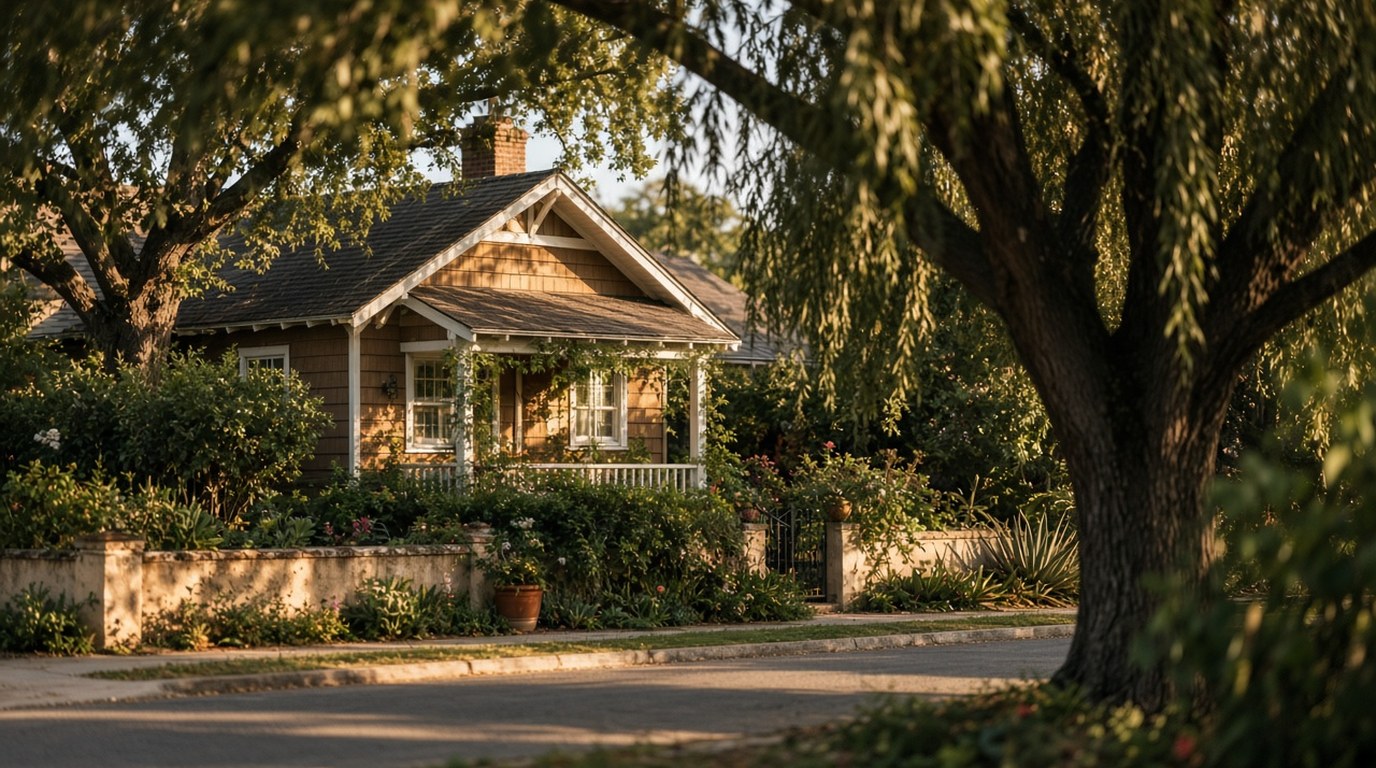
Managing a San Juan Capistrano rental means managing property that is often older, larger, and more complex than a standard tract home. Historic-district houses, equestrian parcels, and homes on septic or well systems carry maintenance, disclosure and lease requirements a generic lease does not cover. Real Property Management Optimal, based in Aliso Viejo and serving San Juan Capistrano, builds leases and maintenance plans around each property's actual systems.
By Leo Stein, Owner, Real Property Management Optimal
What makes a San Juan Capistrano rental different to operate?
Most Orange County rental management assumes a certain property: built within the last few decades, on a graded lot, on city sewer and water, inside an association that handles the exterior. San Juan Capistrano regularly breaks all four assumptions at once.
The city grew around Mission San Juan Capistrano and the historic Los Rios District, so the housing stock spans a far wider range of eras than a typical Orange County city. Move outward and you find equestrian and small-acreage parcels, ranch properties, and hillside homes in communities like Whispering Hills and Rancho Madrina. The Riding Park and the city's long horse culture are not decoration, they are part of why people rent here.
That variety changes the job. On a tract home, management is largely about leasing well and responding fast. Here it also involves knowing what systems exist on the property, who is responsible for each one, what a tenant can reasonably be expected to maintain, and what has to stay with the owner. Get that mapping wrong and you find out during a failure, which is the most expensive time to learn it.
What should you know before leasing a horse property?
Equestrian leasing is a specialty. This is not a home with a barn attached, it is a home with animals, facilities, liability and daily labor attached.
- Define what is included. Stalls, turnouts, arena, tack room, pasture, hay storage, trailer parking. Spell out which facilities the tenant may use and which remain under owner control.
- Assign facility maintenance in writing. Footing, fencing, gates, stall mats, manure management, pest control and water lines each need a named responsible party. Silence defaults to a dispute.
- Address animal limits and care standards. Number of animals, species, and expectations for humane care and property impact should be objective and written.
- Get insurance right. Coverage on an equestrian property is not the same conversation as a standard rental. Require proof of appropriate tenant coverage, and confirm your own policy contemplates the actual use with a licensed insurance professional.
- Confirm permitted use. Verify with the city and any association what animal keeping and structures the property is permitted for. Do not rely on what a prior owner did.
- Plan for water and waste. Irrigation, stock water, drainage and manure removal are real operating costs on acreage. Decide who pays and document it.
- Set an inspection cadence that fits. Equestrian property changes faster than a tract home, and documented inspections with photos protect both parties.
- Screen for the use, not just the credit. An applicant who has never maintained a horse facility is a different risk than one who has, evaluated with objective, consistently applied criteria.
How do you maintain a historic or older home near the Los Rios District?
Older homes fail differently. Instead of a builder-grade water heater at year twelve, you get original plumbing runs, dated electrical service, foundation and drainage quirks, wood windows, and roofing that was installed under a different code cycle. None of that makes an older home a bad rental. It makes reactive management a bad strategy.
The right approach is preventative and documented. Establish a baseline condition report with photographs before the first tenant, then service the systems on a schedule rather than waiting for a call: plumbing and drains, electrical panel and outlets, HVAC or whatever climate system exists, roof and gutters, exterior wood and paint, and drainage away from the foundation.
If the property sits within or adjacent to a historic district or is subject to preservation-related requirements, exterior work may face additional review. That is a city-level question, and the answer belongs in your file before you plan a repair, not after a contractor is on site. Confirm current requirements with the City of San Juan Capistrano.
Finally, set tenant expectations honestly. Charm comes with quirks. Disclosing them up front attracts the tenant who wants a historic home and filters out the one who will be frustrated by it every month.
What do septic, well and acreage systems require from a landlord?
Systems that a city-sewer tract home never has become central to your operating plan.
- Septic system: What the owner typically carries: Scheduled pumping and inspection, repairs, records. What the tenant can reasonably carry: Correct use, no improper disposal, reporting issues promptly. Failure risk if unmanaged: Backup, property damage, health and environmental exposure.
- Private well and pump: What the owner typically carries: Pump service, water testing, equipment repair. What the tenant can reasonably carry: Reporting pressure or quality changes, not overdrawing. Failure risk if unmanaged: Loss of water service, costly emergency repair.
- Irrigation on acreage: What the owner typically carries: System repair, controller, main lines. What the tenant can reasonably carry: Routine operation, reporting breaks. Failure risk if unmanaged: Landscape loss, water waste, high bills.
- Fencing and gates: What the owner typically carries: Structural repair and replacement. What the tenant can reasonably carry: Routine closure, reporting damage. Failure risk if unmanaged: Animal escape and liability exposure.
- Outbuildings, barns, tack rooms: What the owner typically carries: Structural integrity, roof, electrical. What the tenant can reasonably carry: Housekeeping and correct use. Failure risk if unmanaged: Deterioration and safety issues.
- Drainage and grading: What the owner typically carries: Correction and improvement. What the tenant can reasonably carry: Keeping drains clear of debris. Failure risk if unmanaged: Flooding, erosion, foundation impact.
- Propane or non-standard utilities: What the owner typically carries: Tank and line service. What the tenant can reasonably carry: Ordering and safe use per agreement. Failure risk if unmanaged: Service interruption, safety risk.
Two rules make this manageable. Put the split in the lease in plain language, and inspect on a schedule so you learn about problems before they become claims. Verify any legally required disclosures and testing obligations for your specific systems with qualified professionals.
How do you price a property when there are no real comps?
Unusual property is priced by feature, not by neighborhood average. A two-acre parcel with a functioning arena does not compare to the three-bedroom down the road, and it will not attract the same applicant.
Start by asking who this property is actually for. An equestrian tenant. A family that wants land and privacy. A household drawn to a historic home near the Los Rios District and downtown. Each of those pools searches differently, so each requires different marketing placement and different photography.
Then build the competitive set from what that pool would genuinely consider, which may extend beyond San Juan Capistrano into surrounding areas including parts of Ladera Ranch, San Clemente, Dana Point, and the canyon areas inland. Weight the features that pool pays for. On horse property that is usable flat land, facility condition, and turnout. On a historic home it is character, location, and whether the systems have been updated enough to live with comfortably.
Expect a longer marketing period than a tract home and plan for it in the budget. The right tenant for an unusual property is worth waiting for, because the wrong one on acreage costs far more than a few extra vacant weeks.
Which California rules apply to older and equestrian rentals?
The same statewide framework applies, with some parts that bite harder on this inventory.
Habitability standards apply regardless of a home's age or charm. Older structures must still deliver working plumbing, electrical, heating, weather protection and safe conditions. California disclosure requirements around known conditions and hazards deserve particular attention on older housing stock, and lead-based paint disclosure obligations under federal law attach to housing built before 1978.
The California Tenant Protection Act, commonly referenced as AB 1482, established statewide rent increase limits and just cause requirements for covered residential properties, with exemptions that depend on property type and ownership structure. Any exemption generally must be properly disclosed in writing to be relied on. California also governs security deposit handling, entry notice, notice for changes in terms of tenancy, and lawful termination.
Local requirements can add another layer, including zoning and permitted use for animal keeping and accessory structures. Verify current requirements with the City of San Juan Capistrano and with qualified counsel. This article is general information for property owners and is not legal advice.
Why Owners in San Juan Capistrano Work With RPM Optimal
Leo Stein, owner of Real Property Management Optimal, says he is "not just your termites, toilets and tenants rent collector," and San Juan Capistrano is where that distinction is easiest to see. A property with a septic system, a barn, and a hundred years of history is not managed from a template.
Owners here get a systems inventory before the lease is written, responsibility clearly assigned in plain language, an inspection cadence matched to the property rather than the calendar default, vendors who have actually worked on acreage and older construction, and documentation that holds up when something is disputed. Leo performed audits for state and federal authorities before property management, so he says "I literally know where the landmines lie." He describes the work as being handed the keys to someone's car that happens to be a house. The Aliso Viejo office is a short drive up the 5.
Get a free rental evaluation in San Juan Capistrano
Own a historic home, a ranch parcel, or an equestrian property in San Juan Capistrano and want to know what it should actually rent for? Real Property Management Optimal provides a free rental evaluation with no obligation, priced against the pool your property genuinely competes for.
Not sure whether to lease it or sell it? Run the address through the Wealth Optimizer under Investor Resources on our site.
Call (949) 391-1019 or request your free rental evaluation online.
About the author
Leo Stein is the Owner of Real Property Management Optimal, headquartered in Aliso Viejo, California and serving San Juan Capistrano along with all 34 Orange County cities. Leo previously performed audits for state and federal authorities, a background that shapes how he documents property systems, maintenance responsibility and owner reporting on complex properties. He describes property management as being handed the keys to someone's car that happens to be a house. Real Property Management Optimal is part of the Real Property Management and Neighborly network.