You Bought Near the Resort Expecting Nightly Rentals. Here Is the Anaheim Play That Actually Works.
Proximity to the Anaheim Resort is not a nightly rental business, but it sits on top of one of Orange County's deepest and steadiest long-term renter pools, which is a better asset than most owners realize.
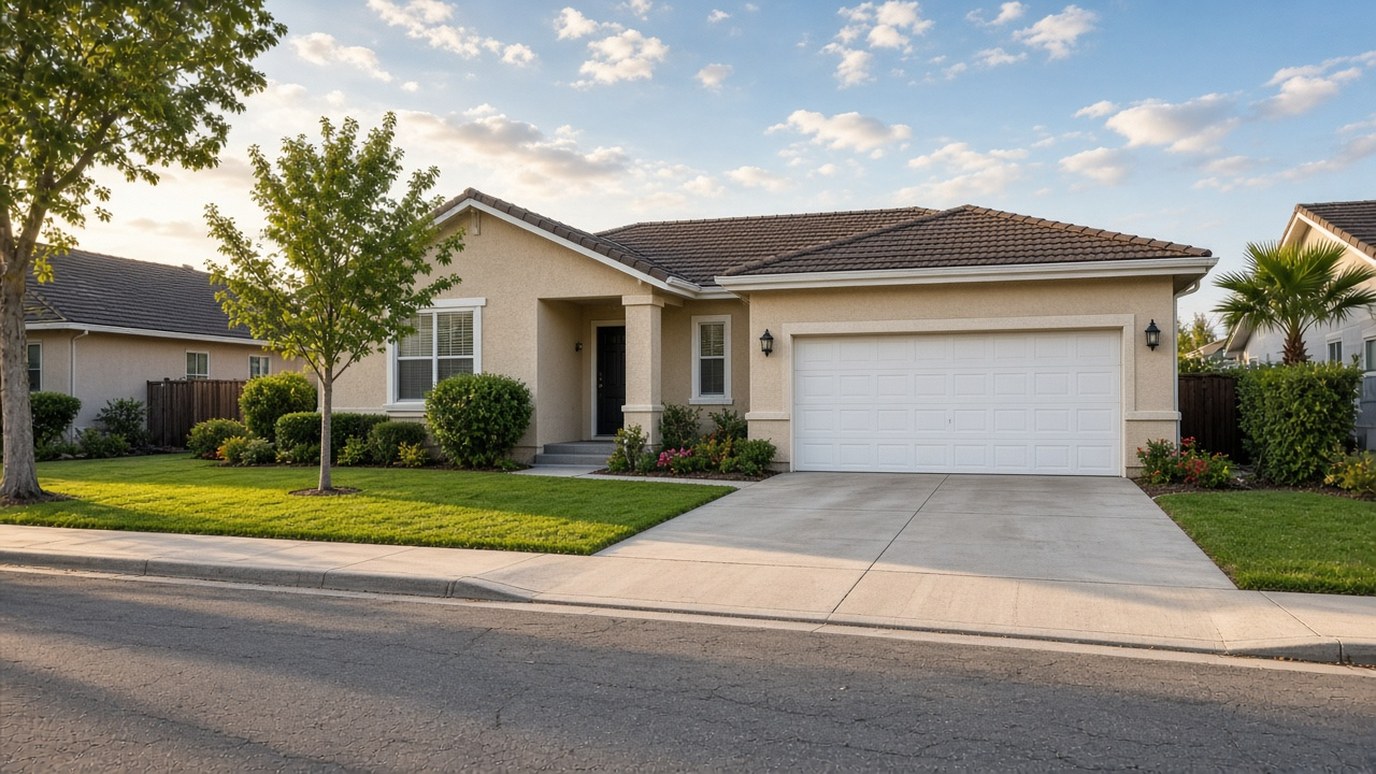
Anaheim restricts short-term rental use of residential property, so owners near the Anaheim Resort should plan on long-term leasing rather than nightly rentals. Anaheim's advantage is one of Orange County's deepest year-round workforce renter pools, which supports steady occupancy across houses, duplexes and ADUs. Real Property Management Optimal, based in Aliso Viejo and serving Anaheim, manages long-term rentals citywide.
By Leo Stein, Owner, Real Property Management Optimal
Can you run a nightly rental near the Anaheim Resort?
This is the first question almost every new Anaheim owner asks, and the answer disappoints them for about a week.
The City of Anaheim restricts short-term rental use of residential property. Owners who purchased near the resort assuming they could operate a nightly rental generally find that the plan does not survive contact with the city's rules. Enforcement, permitting status, and what is or is not permitted change over time and depend on the property, so verify current requirements directly with the City of Anaheim before making any decision that depends on the answer. This article is general information for property owners and is not legal advice.
Here is the part that owners miss. The nightly rental model was never the better business for most of these properties anyway. It carries constant turnover, cleaning and linen costs, platform dependence, seasonal collapse risk, higher wear, neighbor complaints, and an income line that moves with tourism cycles. A well-leased long-term rental in Anaheim produces steadier net income with a fraction of the operating drag.
So the question is not how to work around the restriction. It is how to run the long-term asset well.
Why is long-term leasing the stronger Anaheim position?
Because Anaheim's renter demand is not seasonal. It is employment-driven and it is large.
The city is one of Orange County's biggest, and its economy runs on more than tourism: the resort and entertainment district, sports and events venues, healthcare, retail, logistics and light industrial employment, plus the residential and commercial development around the Platinum Triangle. That mix produces year-round demand from working households who need housing near their jobs, not visitors who need it for four nights.
For an owner, that demand profile means shorter vacancy under normal conditions, less exposure to travel cycles, and a broad applicant pool rather than a narrow one. It also means the property competes on fundamentals: condition, price, responsiveness and parking. There is no view premium carrying a tired unit here.
The other advantage is geographic breadth. Anaheim contains genuinely different submarkets. Anaheim Hills is a hillside single-family market with different rents and a different tenant. The Anaheim Colony Historic District has older character homes. West Anaheim is dense workforce housing with substantial small multi-unit inventory. The Platinum Triangle is newer, denser, and closer to the stadium and arena district. Treating them as one market is the fastest way to misprice a property.
How does managing a duplex or fourplex differ from a single home?
Small multi-unit property is common across Anaheim, and it is a different operating job than a single house.
- Vacancy exposure: Single-family home: All or nothing when the tenant leaves. Duplex, triplex, fourplex: Partial, remaining units carry the property.
- Turnover cadence: Single-family home: One event every few years. Duplex, triplex, fourplex: Multiple events, needing sequencing.
- Maintenance load: Single-family home: One set of systems. Duplex, triplex, fourplex: Shared systems, common areas, more frequent calls.
- Utility structure: Single-family home: Usually tenant-paid, individually metered. Duplex, triplex, fourplex: Often shared or master-metered, requiring an allocation plan.
- Compliance exposure: Single-family home: Lower complexity. Duplex, triplex, fourplex: Higher, since state protections often apply differently.
- Tenant interaction: Single-family home: One household. Duplex, triplex, fourplex: Neighbor dynamics, noise, parking, shared space rules.
- Reporting needs: Single-family home: Simple statement. Duplex, triplex, fourplex: Per-unit accounting for real visibility.
The compliance line in that list is the one owners underestimate. Statewide tenant protections apply differently depending on property type, number of units and ownership structure, and multi-unit property is less likely to fall inside the exemptions that some single-family homes and condominiums can claim. Confirm your property's status before you assume.
The operational line matters just as much. Four units is not four times one unit, it is a small business with recurring turns, shared infrastructure, and neighbor management. Owners who self-manage a fourplex usually discover that the hours, not the tasks, are what break them.
What does an ADU add, and what does it add to your workload?
California's accessory dwelling unit rules have made second units a real option on many Anaheim lots, particularly the older, deeper parcels across the city. Done well, an ADU converts underused land into a second income stream. Before leasing one, work through this list.
- Confirm the unit is legal and permitted. Verify permit status and final approvals with the City of Anaheim. Leasing an unpermitted unit creates risk that no rent premium covers.
- Decide the utility structure. Separately metered, submetered, or included in rent. Whatever you choose must be disclosed clearly and applied consistently.
- Draw the property lines on paper. Parking, yard use, trash, storage, laundry and access paths belong in both leases before either tenant moves in.
- Plan for privacy. The single biggest source of friction between a main house tenant and an ADU tenant is ambiguity about shared space. Design the leases to remove it.
- Understand the compliance implications. Adding a second unit can change how state tenant protections apply. Confirm the effect with qualified counsel rather than assuming.
- Budget the added operating load. Two tenants means two screening processes, two leases, two renewal cycles, two maintenance streams and two sets of calls.
- Price each unit for its own market. An ADU competes with studios and one-bedrooms, not with the main house. Pricing it as a discount off the house leaves money on the table or produces a vacancy.
What California and local rules should an Anaheim landlord know?
Anaheim owners operate under statewide law plus city requirements, and both matter.
The California Tenant Protection Act, commonly referenced as AB 1482, established statewide limits on rent increases and just cause requirements for terminating covered tenancies. Exemptions depend on property type, age and ownership structure, and where an exemption applies it generally must be disclosed in writing to be relied upon. Multi-unit properties and properties with ADUs need this analyzed specifically rather than assumed.
Beyond that, California governs security deposit handling and return, required lease disclosures, notice for entry, notice for rent increases and changes in terms of tenancy, habitability standards, and the lawful process for ending a tenancy. Federal and state fair housing law governs advertising, screening and treatment of applicants, which means written objective criteria applied identically to everyone.
On the local side, the City of Anaheim maintains its own requirements, including restrictions on short-term rental use of residential property and requirements that apply to certain rental housing. Rules and enforcement change. Verify current requirements with the City of Anaheim and with qualified counsel before acting. This article is general information for property owners and is not legal advice.
What should you check before buying or holding a small multi in Anaheim?
Underwriting an Anaheim rental well means checking the things that do not appear in a listing.
Start with the units themselves: actual legal unit count, permit history for any converted garage, addition or second unit, and whether the configuration on the ground matches what the city has on record. Converted space with no permit is a liability, not an income line.
Then the systems: age and condition of roof, plumbing, electrical service and panel capacity, sewer lateral, and HVAC. Older Anaheim housing stock is capable of excellent returns, but only if the capital items are known and scheduled rather than discovered.
Then the operating picture: parking count against unit count, which is the single most common friction point in West Anaheim and the older neighborhoods; utility metering and how costs are currently allocated; and the existing leases, deposits and any tenancy history you are inheriting.
Finally the location detail. Anaheim Union High School District and Anaheim Elementary School District cover much of the city, with other districts serving parts of it, and school attendance areas influence family demand. Freeway access across the 5, 57 and 91 shapes commute appeal. Both belong in your pricing analysis, described with objective public information rather than assumptions about who should live there.
Why Owners in Anaheim Work With RPM Optimal
Owner Leo Stein describes his approach simply. He is "not just your termites, toilets and tenants rent collector." Before property management, he performed audits for state and federal authorities, and he says "I literally know where the landmines lie." In a city with layered local requirements, mixed housing types and a large body of small multi-unit and ADU inventory, that orientation is the difference between a rental that runs and one that generates surprises.
Anaheim owners get submarket-accurate pricing rather than a citywide number, marketing built for a workforce renter pool, screening applied by written objective criteria, per-unit accounting on multi-unit property, documented inspections, and maintenance coordination that keeps aging systems on a schedule. Leo compares the job to being handed the keys to someone's car that happens to be a house. Real Property Management Optimal serves Anaheim from its Aliso Viejo office, along with all 34 Orange County cities.
Get a free rental evaluation in Anaheim
If you own a house, a small multi-unit property, or an ADU in Anaheim and want a realistic picture of long-term rental income, start with a number you can rely on. Real Property Management Optimal provides a free rental evaluation with no obligation.
Still deciding whether to lease it or sell it? Enter the address in the Wealth Optimizer under Investor Resources on our site for a rent-or-sell view.
Call (949) 391-1019 or request your free rental evaluation online.
About the author
Leo Stein is the Owner of Real Property Management Optimal, based in Aliso Viejo, California and serving Anaheim along with all 34 Orange County cities. Leo performed audits for state and federal authorities before entering property management, and he applies that compliance discipline to leases, notices, screening and owner reporting. He describes property management as being handed the keys to someone's car that happens to be a house. Real Property Management Optimal is part of the Real Property Management and Neighborly network.