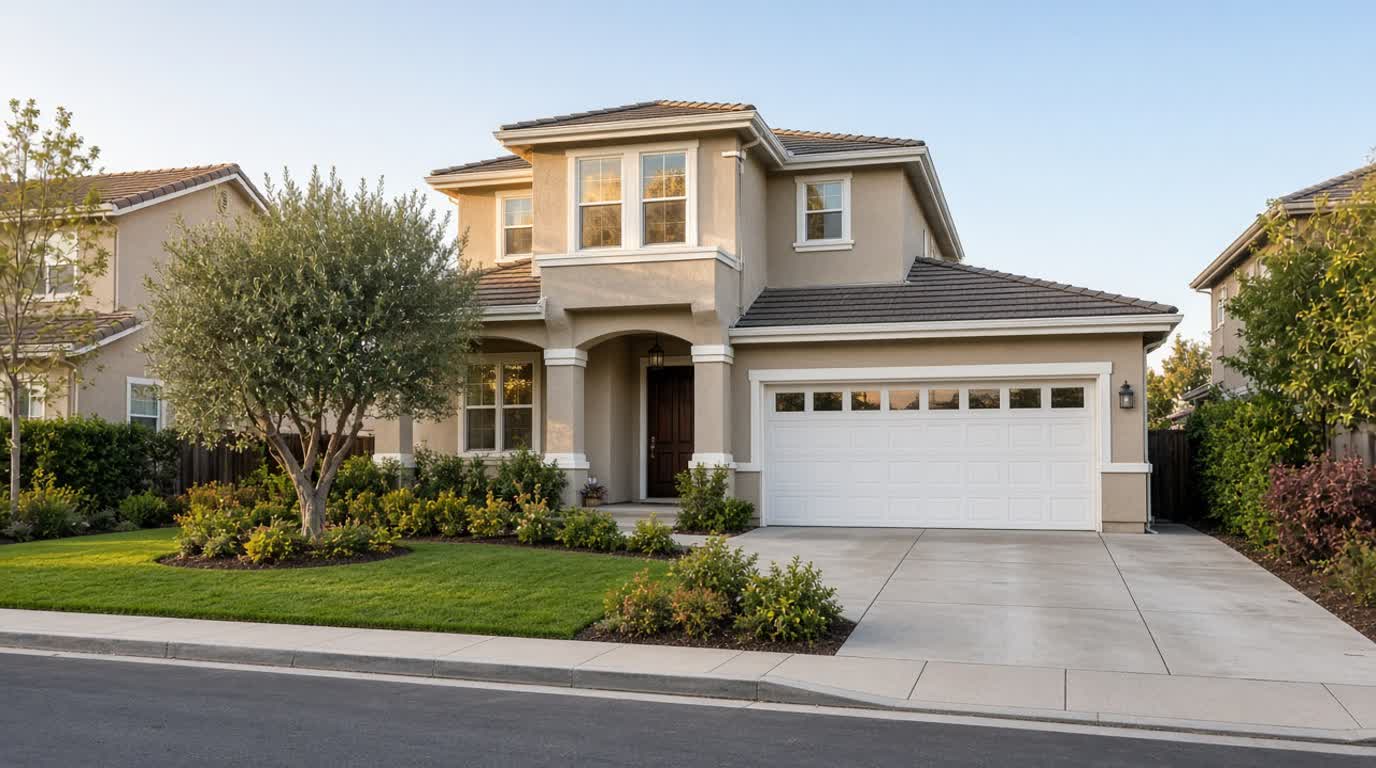
Leasing a Laguna Woods Village Manor: The Compliance-First Guide for Heirs, Trustees and Owners
Laguna Woods is the most rule-bound residential rental market in Orange County, and the owners who run into trouble are almost never the ones who read the association's rules first.

Renting a unit in Laguna Woods requires clearing the association's rules before California's. Laguna Woods Village is an age-qualified senior community of co-ops, condominiums and manors where the mutuals govern leasing through minimum lease terms, resident qualification and a formal approval process. Real Property Management Optimal, based in Aliso Viejo and serving Laguna Woods, verifies current association requirements before marketing any unit.
By Leo Stein, Owner, Real Property Management Optimal
What makes Laguna Woods different from every other Orange County rental market?
In most Orange County cities, an owner controls the leasing decision and the association handles common areas. Laguna Woods inverts that. The city of Laguna Woods is largely occupied by Laguna Woods Village, a large age-qualified planned community for older adults, organized into separate mutuals including United Mutual and Third Mutual along with condominium associations. Those entities, not the individual owner, set the conditions under which a unit may be occupied by someone other than the owner.
That single fact changes everything downstream. Your marketing has to describe a qualified pool rather than the general renter market. Your lease has to align with association terms rather than only with what you would prefer. Your move-in date depends on an approval process you do not control. Your applicant may be fully qualified financially and still not be eligible to live in the unit.
None of that makes Laguna Woods a bad place to own a rental. It makes it a market where sequence matters. Owners who verify the rules, prepare the unit, and start the approval process early tend to lease cleanly. Owners who list first and ask questions later tend to lose applicants at the last step, which is the most expensive place to lose one.
You inherited a manor in Laguna Woods. What happens first?
Leasing is not the first move. It is roughly the fifth.
- Establish clear authority. Confirm how title is held and who has legal authority to act, whether that is a trustee under a trust, a personal representative through probate, or a surviving joint owner. Nothing else can proceed cleanly until this is settled.
- Notify the association and complete membership or transfer requirements. Communities like Laguna Woods Village have their own process for recognizing a new owner or trustee, and it is separate from recording a deed.
- Obtain the current governing documents. Request the CC&Rs, bylaws, rules and any leasing policy from the applicable mutual in writing. Do not rely on what a relative or an old file folder says.
- Assess the unit's condition honestly. Long-held units in any older community often need plumbing, electrical, flooring, kitchen, bath and appliance attention before they present well or meet habitability standards.
- Decide rent or sell with real numbers. Compare expected net rent against sale proceeds, carrying costs including assessments, and the family's timeline. The Wealth Optimizer tool is built for this decision.
- Then lease, following the association's approval process from the start. Build the approval timeline into your marketing so an applicant is not surprised by it.
Trustees carry an added burden. You act for beneficiaries, so every decision should be documented and defensible. Professional management produces the paper trail a beneficiary can review.
What kinds of association rules typically govern leasing in an age-qualified senior community?
Communities of this type commonly maintain rules in the categories below. Specifics vary by mutual and change over time, so treat this as a checklist of questions to ask, not a statement of current requirements.
- Minimum lease term. Many associations require leases of a minimum length and prohibit short-term or vacation rental use entirely.
- Occupancy qualification. Age-qualified housing operates under federal and state exemptions permitting age restrictions, and associations administer resident qualification.
- Approval process. Prospective residents typically must be submitted to the mutual and approved before occupancy, which takes time and paperwork.
- Number of occupants. Rules commonly address how many people may occupy a unit and who may be added later.
- Leasing eligibility waiting periods. Some communities restrict how soon after acquiring a unit an owner may lease it.
- Caps or limits on rentals. Some communities limit the number or share of units that may be leased at a given time.
- Facility and amenity access. Rules govern which clubhouses, pools and services a resident may use and how access is issued.
- Alterations and maintenance responsibility. In co-op and manor structures, the owner and mutual maintenance line is drawn differently than in a standard condo.
Verify every one of these directly with the applicable mutual or association before you market the unit. Rules change, and the association is the only authoritative source. This article is general information for property owners and is not legal advice.
Co-op, condo, or manor: why does the ownership structure change your options?
Laguna Woods Village includes more than one form of ownership, and the form determines what you actually control.
- What you own: Cooperative style ownership: An interest in the corporation with a right to occupy a unit. Condominium style ownership: The unit itself plus an interest in common areas.
- Who approves an occupant: Cooperative style ownership: The mutual, through its process. Condominium style ownership: The association, through its process.
- Where maintenance responsibility sits: Cooperative style ownership: More often with the mutual, varies by component. Condominium style ownership: More often with the owner inside the unit.
- Alteration approvals: Cooperative style ownership: Typically stricter and centrally administered. Condominium style ownership: Governed by architectural rules.
- What a lease must reference: Cooperative style ownership: Mutual rules and occupancy requirements. Condominium style ownership: CC&Rs, rules, and association procedures.
- Practical effect on leasing: Cooperative style ownership: Approval timing drives your move-in date. Condominium style ownership: Approval timing still applies, with more owner-side control of the unit.
The takeaway for an owner is simple. Before you promise anyone a move-in date, know which structure your unit sits in and what its approval process actually requires.
How do California landlord rules interact with association rules here?
Both apply. The association governs whether and on what terms a unit may be leased. California law still governs the landlord and tenant relationship once a lease exists.
That means California requirements around security deposit handling, required disclosures, habitability, notice for entry, notice for changes in terms of tenancy, and lawful termination all remain in force. The California Tenant Protection Act, commonly referenced as AB 1482, established statewide rent increase limits and just cause requirements for covered properties, with exemptions that depend on property type and ownership, and any exemption must be properly noticed to be relied on.
Fair housing law also applies, with the specific nuance that age-restricted senior housing operates under recognized exemptions that permit age qualification. That exemption is narrow and administered by the association. It does not license an owner to apply their own additional preferences about who may live in the unit. Screening criteria should be objective, written, and applied identically to every applicant.
When the two rulebooks appear to conflict, that is the moment to get qualified legal guidance rather than to guess. Again, this is general information and not legal advice.
What does the Laguna Woods rental market actually look like?
Laguna Woods sits in South Orange County along El Toro Road and Moulton Parkway, bordered by Laguna Hills, Aliso Viejo, and Lake Forest, with Saddleback Valley Unified School District covering the surrounding area even though the community's own demand is not school driven. The Village Clubhouses, golf, and extensive recreation programming are a large part of what draws residents, which is unusual in a rental market where amenities normally sit in the background.
The renter pool is by definition qualified and specific. Demand tends to come from people who want the lifestyle and the services, often relocating from elsewhere in Southern California or from out of state to be near family. That pool is steady but not enormous, and it responds strongly to unit condition, floor plan, location within the Village, and whether the unit has been updated.
For an owner, the practical implication is that this is a market where preparation beats speed. A dated unit priced optimistically will sit while a refreshed unit at a realistic number gets attention. And because the approval process adds calendar time regardless, starting from a lease-ready condition is worth more here than it is almost anywhere else in the county.
Why Owners in Laguna Woods Work With RPM Optimal
Leo Stein, owner of Real Property Management Optimal, spent years performing audits for state and federal authorities before he managed a single property. In his words, "I literally know where the landmines lie." Laguna Woods is a market where that matters more than in most, because the failure points are procedural rather than dramatic.
For Laguna Woods owners, especially heirs and trustees, the value is in sequence and documentation: confirming current association requirements in writing, preparing the unit properly, applying consistent written screening criteria, running applicants through the association's process correctly, and producing owner statements and inspection records that a beneficiary or a co-trustee can review without needing an explanation. Leo says he is "not just your termites, toilets and tenants rent collector," and in a community this rule-bound, that distinction is the whole job. The Aliso Viejo office is minutes away.
Get a free rental evaluation in Laguna Woods
If you own or have inherited a unit in Laguna Woods Village and you are not sure whether to lease it, sell it, or how to lease it compliantly, start with facts. Real Property Management Optimal provides a free rental evaluation with no obligation.
Weighing rent against sale? Enter the address in the Wealth Optimizer under Investor Resources on our site for a rent-or-sell view before the family decides.
Call (949) 391-1019 or request your free rental evaluation online.
About the author
Leo Stein is the Owner of Real Property Management Optimal, headquartered in Aliso Viejo, California and serving Laguna Woods along with all 34 Orange County cities. Leo previously performed audits for state and federal authorities, and he brings that compliance discipline to association-governed markets where procedure decides outcomes. He describes property management as being handed the keys to someone's car that happens to be a house. Real Property Management Optimal is part of the Real Property Management and Neighborly network.