Property Management in Dana Point, CA: Running a Property You Are Not Standing In Front Of
If you own in Dana Point and live somewhere else, your entire risk profile comes down to one question: who is actually walking through the property, and what proof do you get.

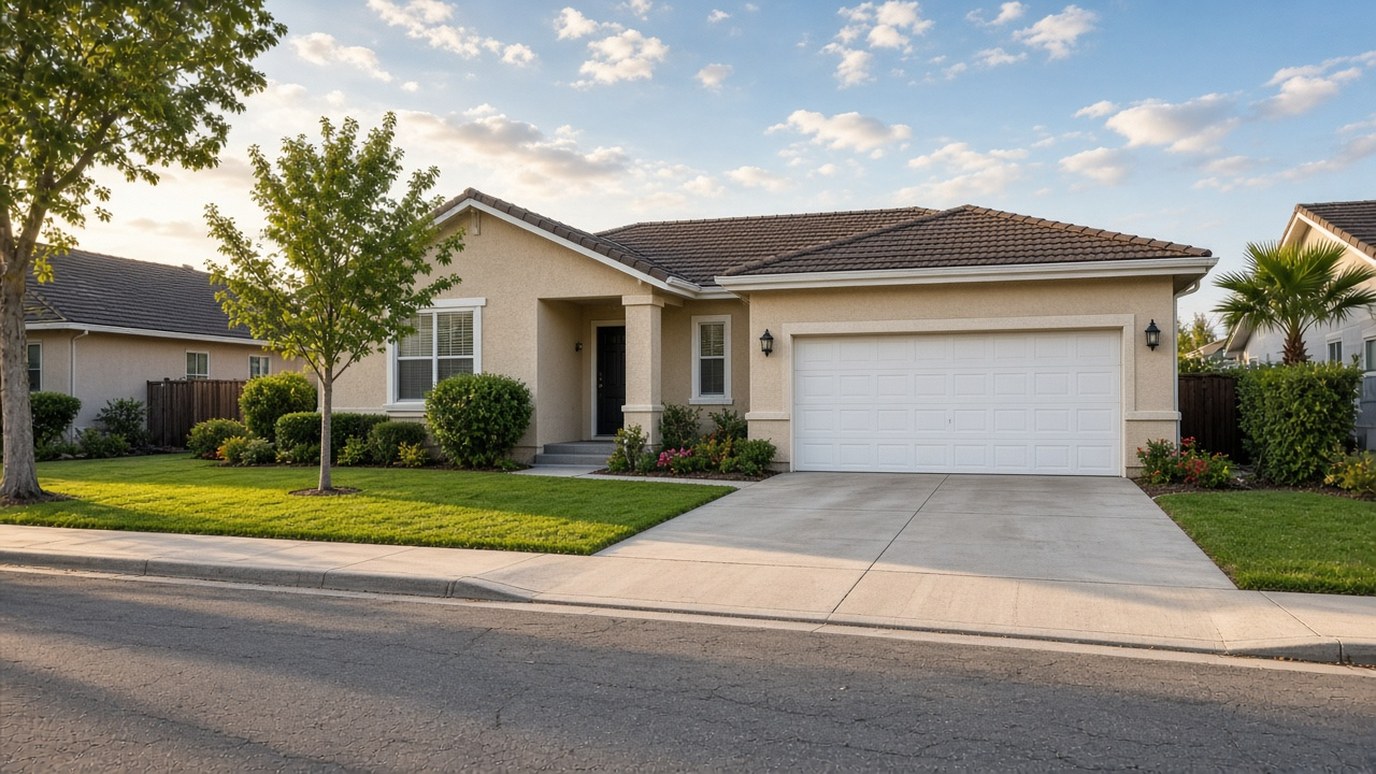
Property management in Dana Point, CA is largely about remote ownership: many Dana Point properties are second homes or investments held by owners who live elsewhere, so scheduled inspections, photographic documentation, vetted local vendors, clear owner reporting, and HOA coordination carry the load. Real Property Management Optimal, based in Aliso Viejo and serving Dana Point, provides that structure for non-resident owners.
By Leo Stein, Owner, Real Property Management Optimal
What actually goes wrong when the owner is not local?
Rarely the dramatic things. Non-resident owners imagine a catastrophic tenant. What usually happens is slower and costlier: a slow leak under a sink running for months, an HVAC system nobody serviced, a failed slider seal, landscaping that quietly died, a small water stain that becomes a remediation project. Every one of those is cheap to catch early and expensive to discover late.
The second failure is informational. An owner in another state hears from the property only when something breaks, so every piece of news is bad news and every decision is made under pressure. That is not a property problem. It is a reporting problem, and it is fixable.
How often should someone physically be inside your property?
Often enough that no problem gets a year to develop. In practice that means a documented condition report at move-in, the same at move-out, and periodic interior and exterior inspections during the tenancy, each one photographed and written up.
Photographs are the entire point. A note that the property "looks fine" is worth very little six months later. A dated photo set of every room, every mechanical system, the roofline, and the site is what supports a deposit disposition, an insurance claim, and a maintenance decision when you are two time zones away.
For a coastal property near Doheny or the harbor, exterior inspection also has to look for corrosion and water intrusion, which do not wait for a lease to end.
What should an out-of-area owner receive every month?
Enough to answer the obvious questions without making a phone call. A serious owner package looks like this:
- Owner statement: What it tells you: Income, expenses, disbursement. Typical cadence: Monthly.
- Work order detail: What it tells you: What was done, by whom, why. Typical cadence: As it occurs.
- Inspection report with photos: What it tells you: Real condition, not a summary. Typical cadence: Periodic during tenancy.
- Lease and renewal status: What it tells you: Expiration, renewal posture. Typical cadence: On change and at renewal.
- Delinquency or notice log: What it tells you: Any issue before it escalates. Typical cadence: As it occurs.
- Year-end package: What it tells you: Everything the CPA needs. Typical cadence: Annually.
If you cannot reconstruct the year from your own documents, the reporting is not doing its job.
Who touches the property when you cannot meet the vendor?
This is the question absentee owners underweight, and it is the one that decides both cost and quality. Use a structure:
- Require licensed and insured vendors, with the documentation on file rather than promised.
- Set a written approval threshold so routine repairs proceed and larger spends come to you first.
- Require photographs before and after on anything beyond trivial.
- Insist on itemized invoices, not a lump sum with a vague description.
- Ask how emergencies are handled after hours, and who has authority at 2 a.m.
- Keep a documented preventative schedule for HVAC, plumbing fixtures, and exterior envelope.
- Review recurring vendor patterns annually, because the same repair three times is a replacement decision.
- Never let the tenant hire and bill, which is how scope and cost quietly escape control.
How do Dana Point associations affect an absentee owner?
Substantially. Much of Dana Point's rental inventory sits inside association-governed communities, from harbor-district and Lantern District condos to the master-planned neighborhoods around Monarch Beach and Salt Creek, plus older stock in Capistrano Beach.
Associations commonly impose minimum lease terms, rental caps, tenant registration, parking and guest rules, and architectural restrictions. Violations generate notices sent to the owner of record, at an address that may be far away and slow to forward. Someone local needs to receive them, interpret them, and act inside the deadline, because a minor violation compounds into a fine and a file. Pull the current governing documents before you lease, not after a notice arrives, and confirm the association has your manager's contact on file.
What California obligations follow you out of state?
All of them. Living elsewhere does not reduce a California landlord's duties by one line. The California Tenant Protection Act (AB 1482) governs rent increases and just cause termination, with exemptions that depend on property type, age, and ownership. Statewide law governs security deposit handling and itemized accounting, habitability, entry notice, application handling, and required disclosures. Fair housing law governs advertising and selection.
There are also practical requirements that catch remote owners, including how and where legal notices are served and received, how quickly a response is expected, and who is authorized to accept service on your behalf. Distance is not a defense, and "my manager handled it" only helps if your manager actually did. This is general education, not legal advice.
Why Owners in Dana Point Work With RPM Optimal
Leo Stein, who owns Real Property Management Optimal, describes his role as more than being your termites, toilets and tenants rent collector. His earlier work auditing for state and federal authorities trained him to look for the gap between what a file says and what actually happened, which is why he tells owners he knows where the landmines lie. For an owner who is not in Dana Point, that gap is the entire risk.
Leo frames the relationship as being handed the keys to a car that happens to be a house. When the owner lives elsewhere, that trust has to be backed by documentation. RPM Optimal runs the full cycle, from leasing through inspections, maintenance, accounting, and compliance, from an Aliso Viejo office serving all 34 Orange County cities.
Get a free rental evaluation in Dana Point
Get a free rental evaluation for your Dana Point property.
Real Property Management Optimal prices your property against what has actually leased in your part of Dana Point and shows what remote ownership would look like: inspection cadence, reporting, vendor handling, association coordination.
Not sure whether to keep it or sell it? The Wealth Optimizer under Investor Resources takes your address and lays out the rent-or-sell picture.
Call (949) 391-1019 or request your free rental evaluation online.
About the author
Leo Stein, Owner, Real Property Management Optimal
Leo Stein owns Real Property Management Optimal, a residential property management company based in Aliso Viejo, California, serving Dana Point and all 34 Orange County cities. His background performing audits for state and federal authorities shapes how he approaches documentation and owner risk: "I literally know where the landmines lie." He runs the firm as full-cycle stewardship rather than a termites, toilets and tenants rent collection service. RPM Optimal is part of the Real Property Management and Neighborly network.